


Style Other / Ref.16062
Antonio Salviati (Vicenza, 1816 – Venice, 1890), attributed to Pair of mosaic portraits of Gioachino Rossini and Baldassarre Peruzzi
Dimensions
Width: 42 cm / 16'' ½
Height: 42 cm / 16'' ½
Depth: 5 cm / 2''
Trained as a lawyer, Antonio Salviati developed a keen interest in glassmaking and mosaic production. In 1859, after contributing to the restoration of the mosaics of St Mark’s Basilica, he opened his first glass and mosaic workshop. In 1866, he founded a second firm—Salviati & Cie—which he later divided into two distinct branches: glassmaking on the one hand and mosaic production on the other.
Salviati was entrusted with major commissions. His workshops produced the mosaic glass for the reredos of the high altar at Westminster Abbey (1866–1867), took part in the restoration of the Palatine Chapel in Aachen, executed exterior mosaics for the Opéra Garnier, and contributed to the decoration of the Albert Memorial, inaugurated in 1872. Salviati’s enterprise also became famous for reviving the traditional glassmaking techniques of Murano.
These two mosaic portraits depict the composer Gioachino Rossini and the Renaissance painter Baldassarre Peruzzi. Their poses conform to established conventions for portraits of illustrious figures: the Renaissance artist is shown in profile, while the composer is represented in a three-quarter view. In a similar spirit, Salviati supplied the tesserae for the mosaic portrait of Abraham Lincoln executed by Enrico Podio in 1866, now preserved in the United States Senate.
The public’s appreciation for the meticulous craftsmanship of mosaicists has been particularly strong in Italy since the 16th century. While the 18th century renewed interest in micro-mosaics for precious luxury objects, the 19th century restored mosaic art to its status as a public art form—just as it had long been in Salviati’s native Veneto. Through his entrepreneurial spirit, the lawyer-turned-master glassmaker played a central role in the resurgence of mosaic art in Europe between 1866 and 1890.
Informations
Price: on request
Recommended for you :
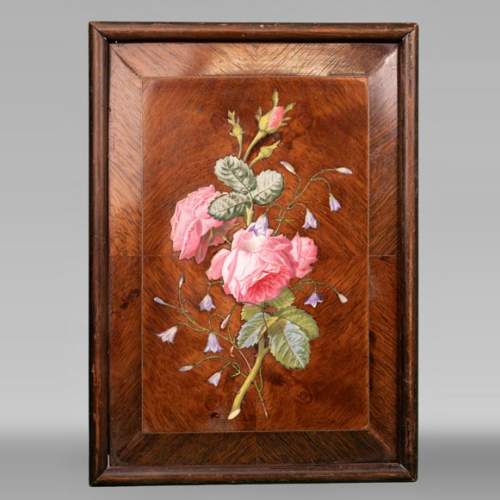
Dimensions:
Height: 36
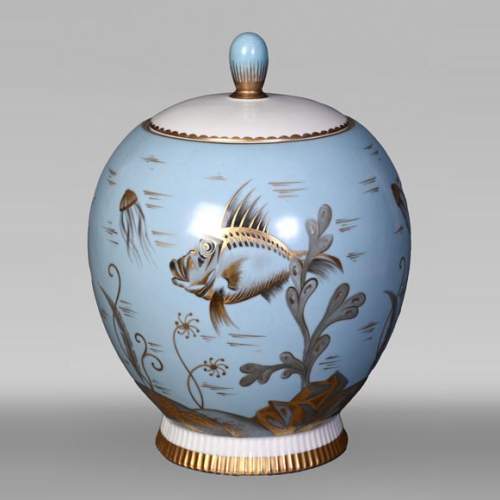
Dimensions:
Height: 18
Depth: 15
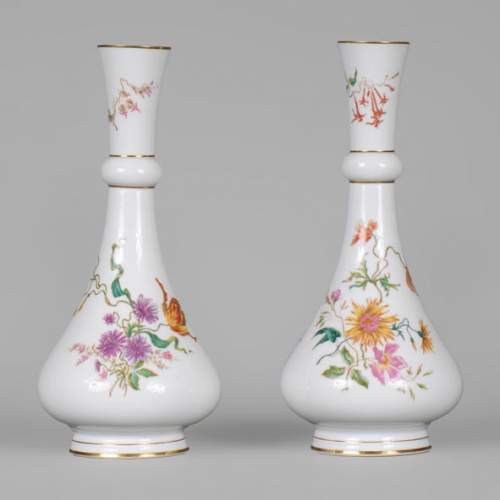
Dimensions:
Height: 32
Diameter: 14
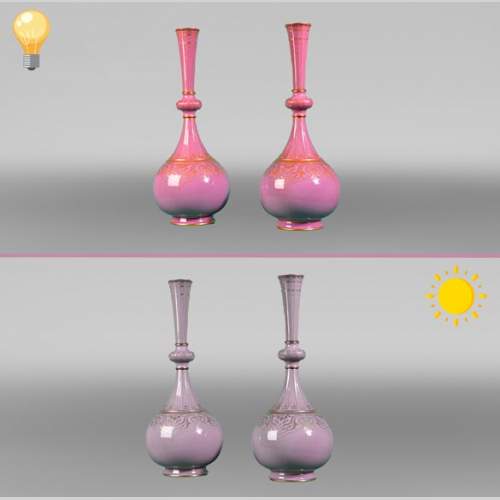
Dimensions:
Height: 55
Diameter: 22
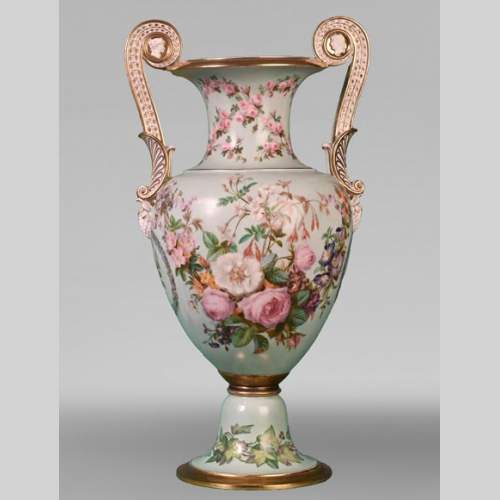
Dimensions:
Width: 30
Height: 57
Depth: 23
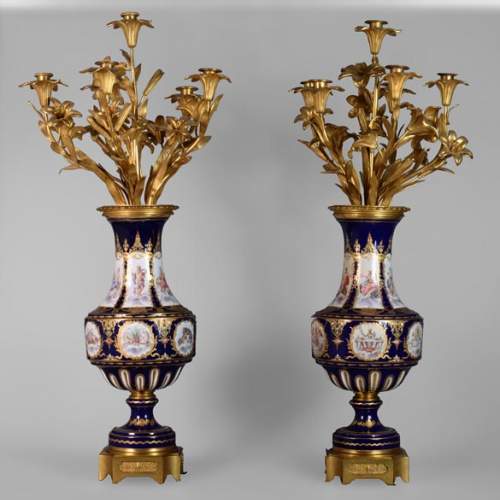
Dimensions:
Height: 98
Diameter: 43
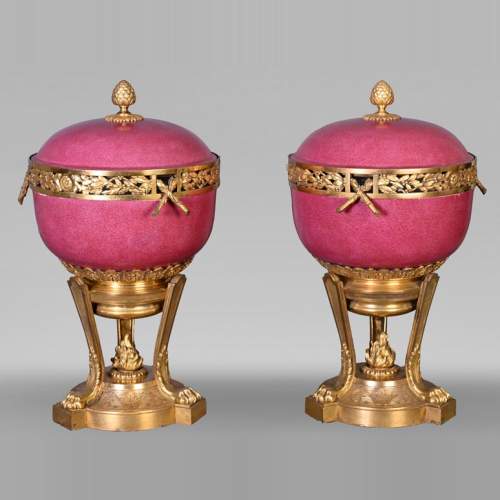
Dimensions:
Height: 43
Diameter: 25
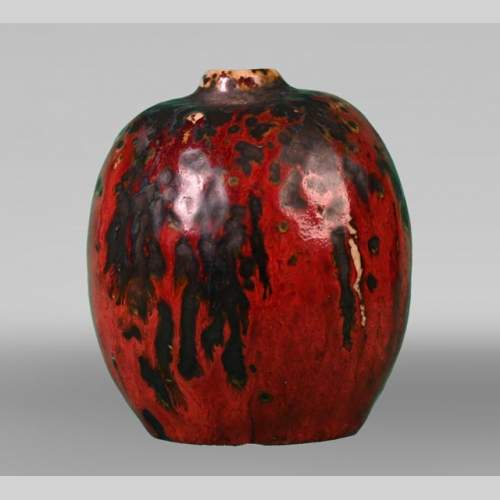
Dimensions:
Height: 11
Diameter: 9
Dimensions:
Height: 7
Diameter: 62
Dimensions:
Height: 24
Diameter: 21
Dimensions:
Width: 16
Height: 43
Depth: 13
Dimensions:
Width: 52
Depth: 52
Diameter: 52