Rock cristal
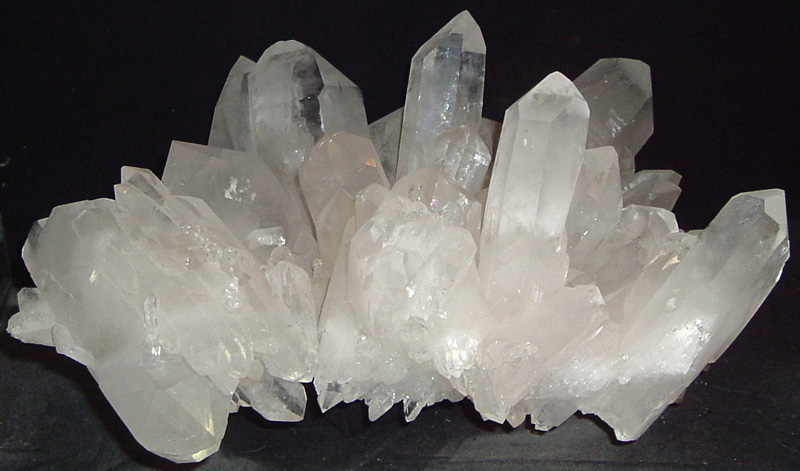
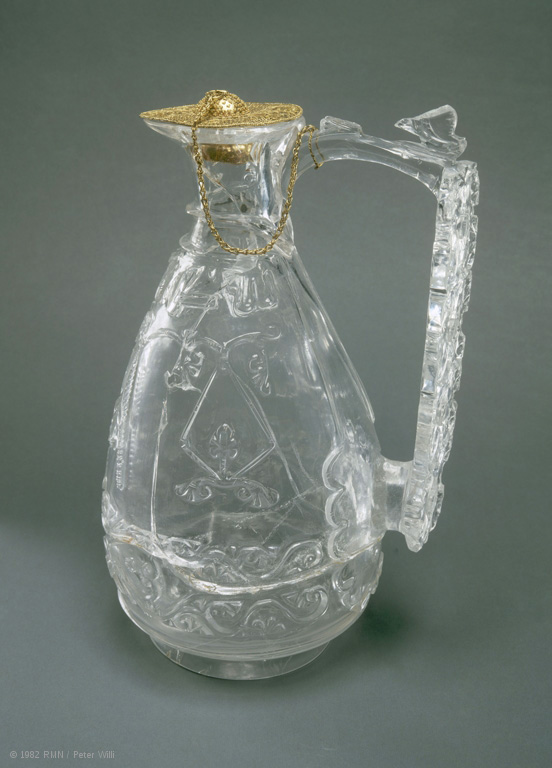
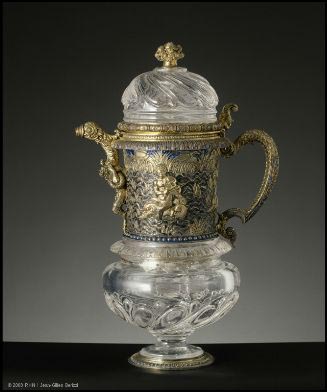
Download PDFA variety of colorless quartz, rock crystal was admired throughout the ancient and medieval worlds for its great transparency. Used as a talisman in antiquity, it became a preferred material for crafting vessels, cups, and ewers from the Middle Ages onwards, eventually becoming a prized medium for all manner of luxury goods. Its transparency was associated with divine light, and its physical purity was likened to a symbolic purity. The Greeks, for instance, believed that the material’s crystalline appearance was a product of the intense cold of glaciers and the handiwork of the gods. In the Islamic world, the absolute transparency of the material evoked a verse from the Quran concerning Divine Light, while for Christians, crystal—when permeated by light—symbolized a human being illuminated by the grace of God.
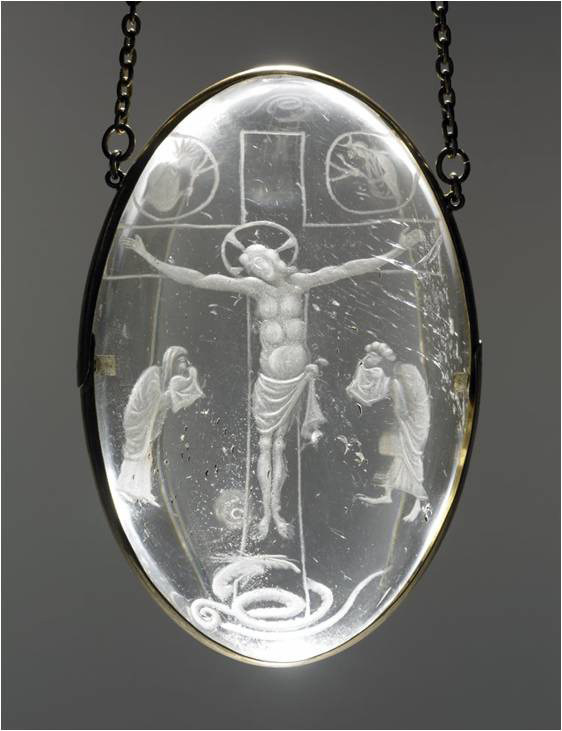
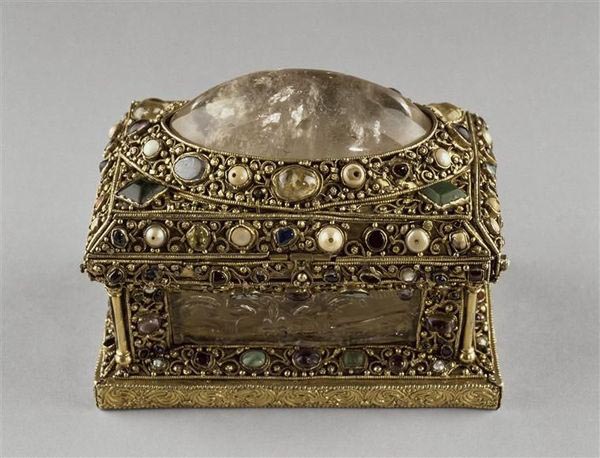
As an exceptionally hard material extracted from mountainous regions, it required great dexterity and skill on the part of the artisan. Once cut, hollowed out, and polished, rock crystal could be decorated using a diamond-tipped tool and further enhanced by a gold mount set with precious or semi-precious stones.
Its use persisted through the Renaissance and the Baroque period in Europe, before gradually falling into disuse. The widespread adoption of lead glass—known as "crystal"—which was developed in the late 17th century to imitate colorless quartz, eventually supplanted the natural stone. It became the preferred material in the great European courts for the creation of luxury tableware and precious objects.
See also
Crystal — Murano — Baccarat — Romanesque art — Gothic style — Renaissance style